
Thule Charm
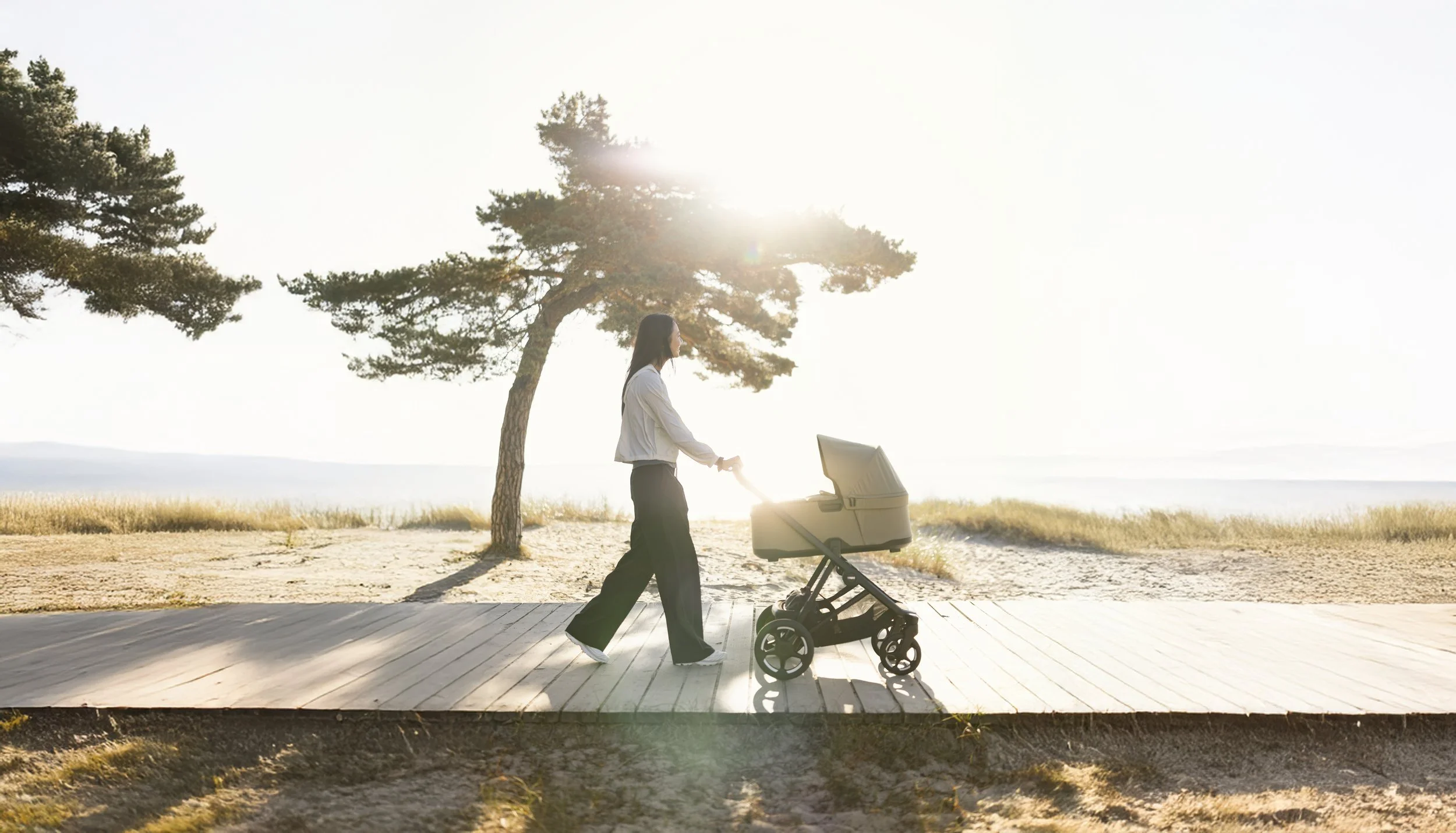
Pour toute une génération de parents, Thule est un nom lu de biais, en levant les yeux vers le toit de la voiture : le coffre noir profilé, le porte-vélos, la galerie qui emporte les kayaks vers des week-ends qu'on s'était promis de multiplier. La maison suédoise, née en 1942, tenait du rayon équipement, celui des objets qui s'accrochent, qui tiennent et survivent aux autoroutes. La voici qui présente une poussette. Le grand air, décidément, a fini par descendre du toit pour s'installer sur le trottoir.
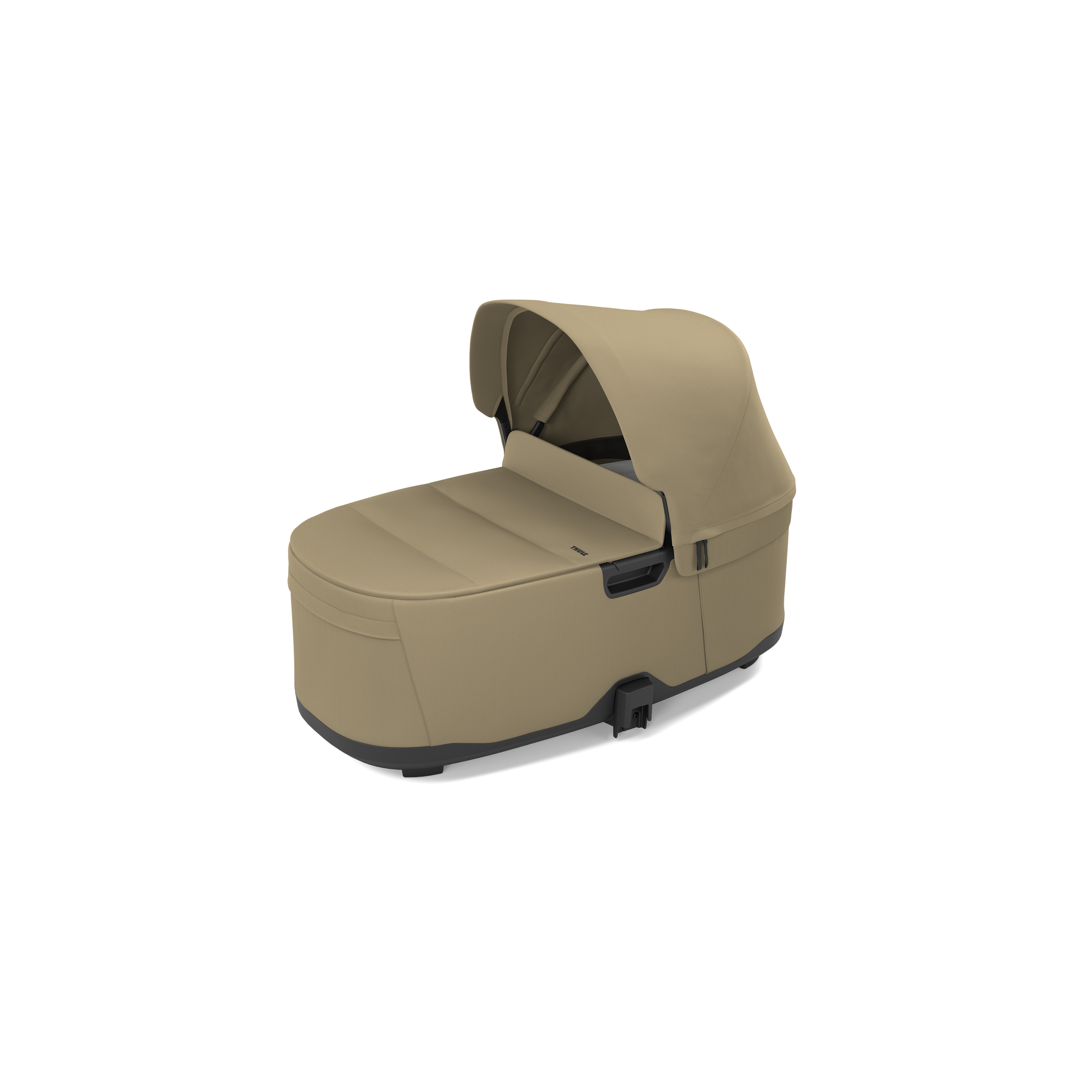
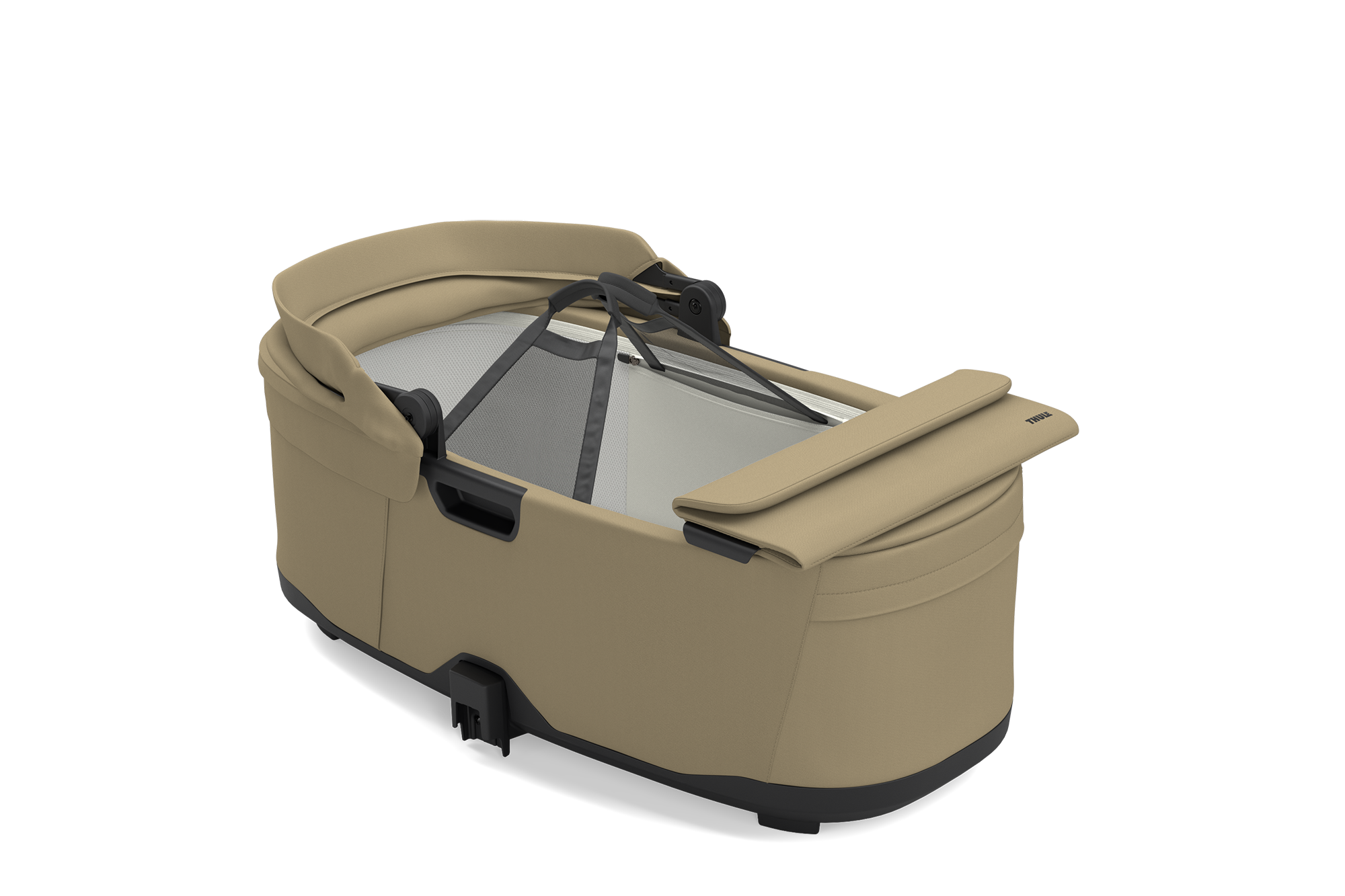
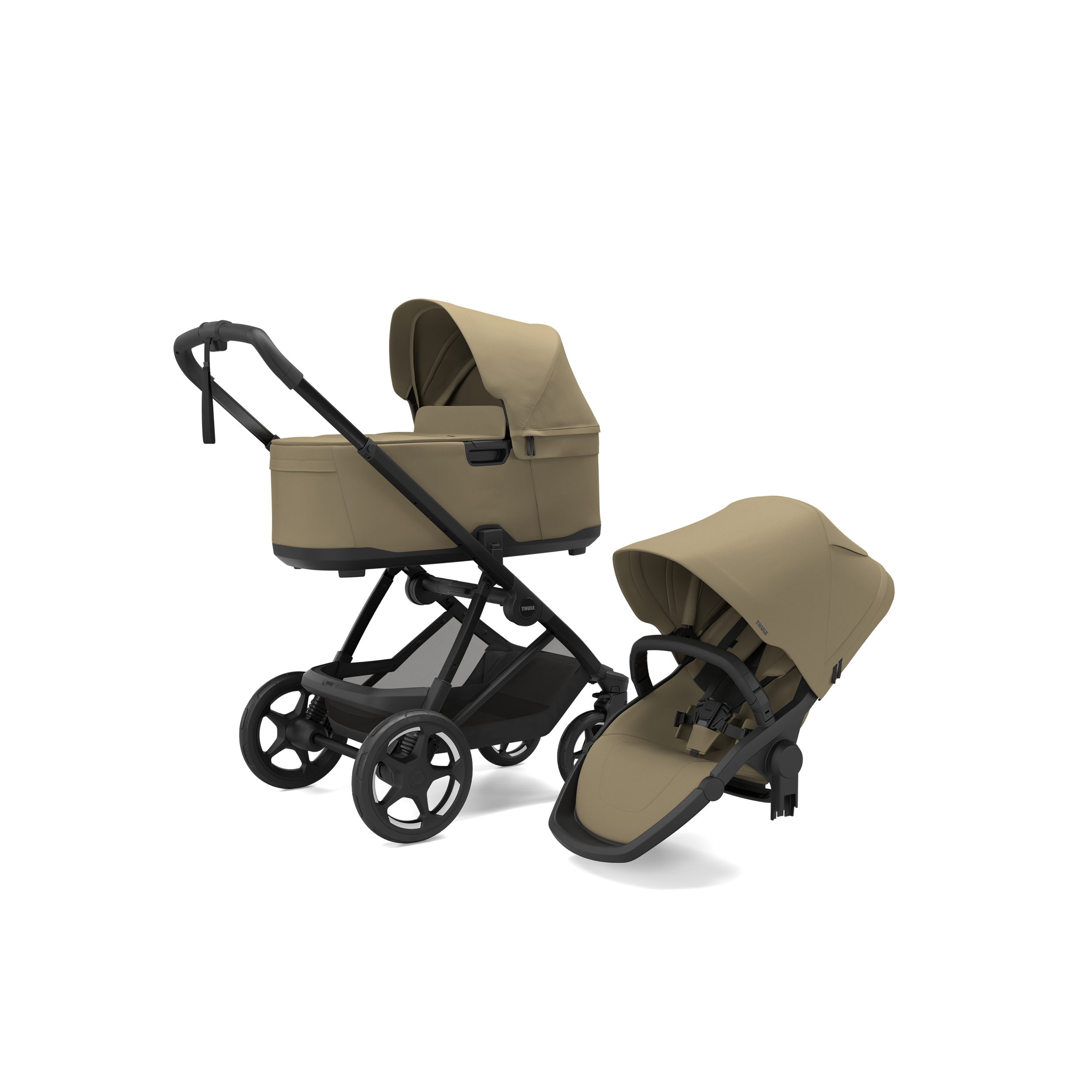
La Thule Charm est une 2-en-1 : nacelle pour les premières semaines, siège évolutif pour la suite. Sur le papier, elle ressemble beaucoup à ses rivales haut de gamme. Le sujet est ailleurs, dans les mots. Autour de l'objet flotte une langue d'expédition : la tribu, le mouvement perpétuel, le grand air conquis avant même que l'enfant ne tienne sa tête. Il y a quelque chose de réjouissant à voir un nourrisson enrôlé dans un imaginaire de cordée. La poussette emmène l'enfant et promet, surtout, de tenir la cadence des parents. Ce déplacement en dit long sur la façon dont une certaine parentalité aime se raconter. Elle rêve de continuité : mêmes habitudes, même terrain, un passager de plus. La vie d'avant se prolonge, un siège en surcroît. Une marque qui a bâti sa fortune sur la promesse d'emporter partout ce à quoi l'on tient applique désormais la recette au plus délicat des chargements.
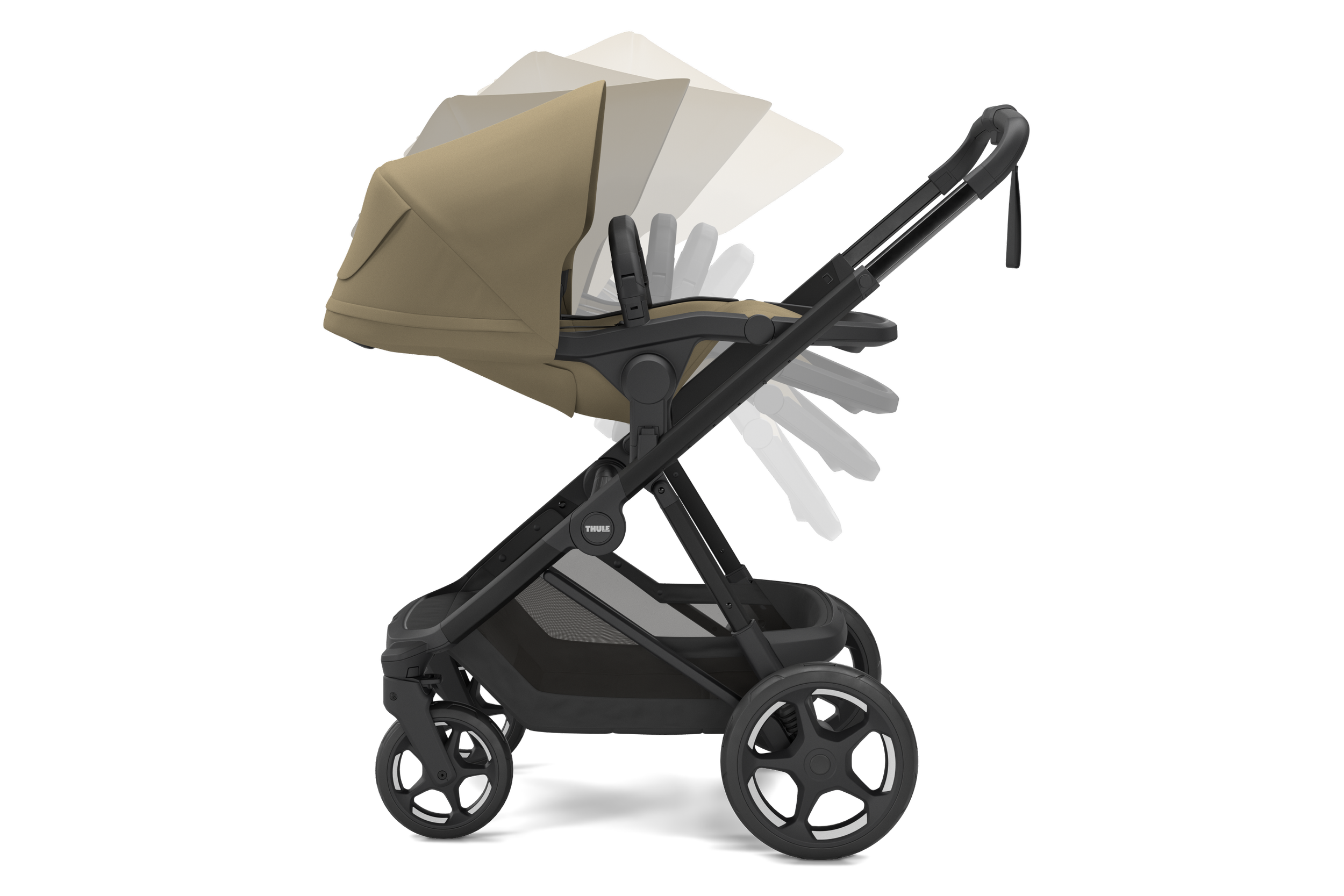
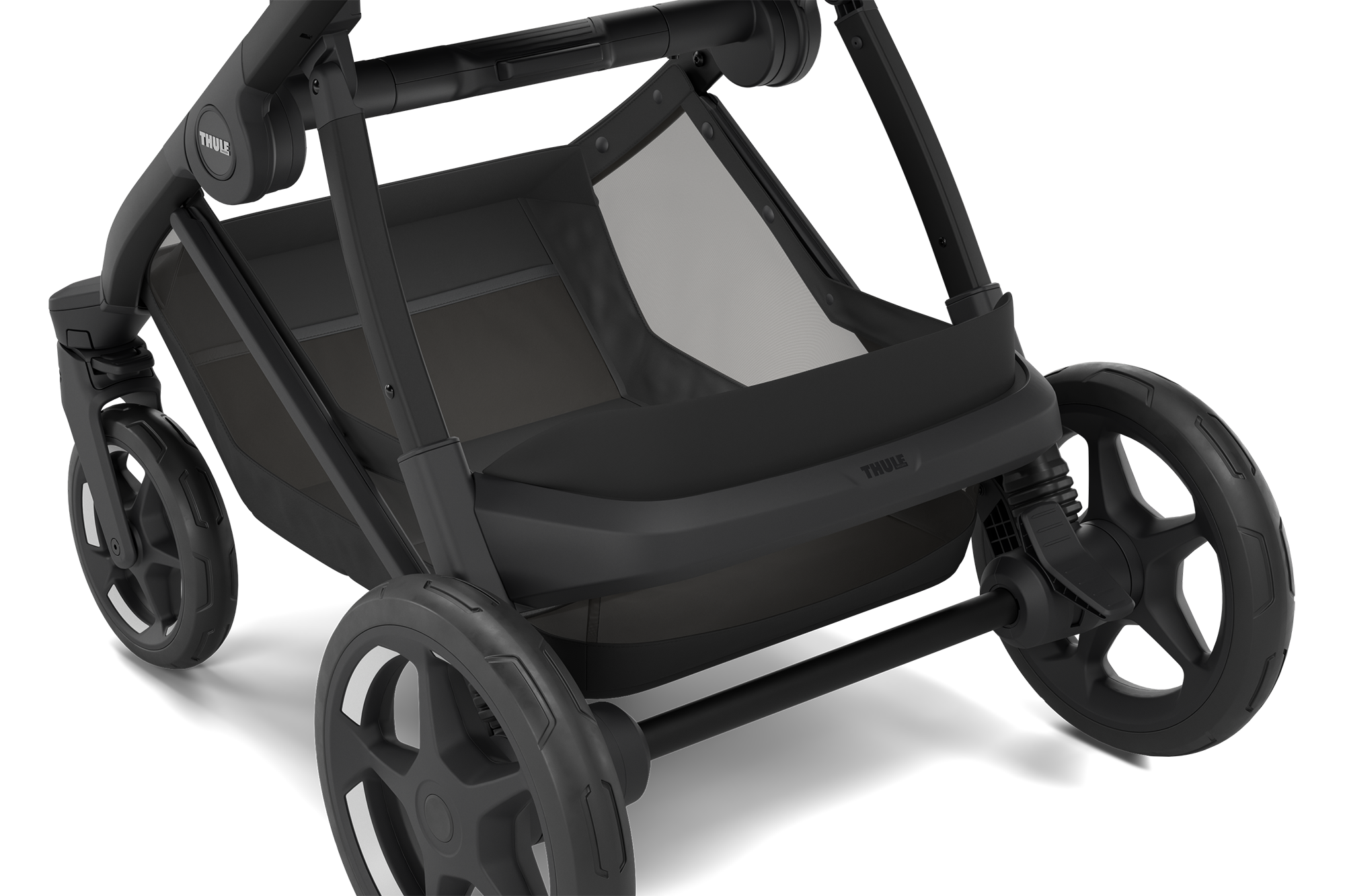
Les choix de conception, eux, avouent tout. L'assise est surélevée, vendue comme un confort d'ergonomie, quand elle trahit surtout l'envie de garder l'enfant haut, à hauteur de regard et de voix, presque à portée de conversation. Le siège pivote, et c'est un petit théâtre d'orientation : face au parent pour se rassurer, face au monde dès qu'il s'agit de le convoiter. Le nourrisson y gagne une place au balcon, le tout-petit un poste d'observation. En aluminium et en tissu, une thèse discrète sur l'attachement, la proximité coulée dans le châssis. On croise ainsi, de plus en plus, des objets qui pensent à notre place, ce qui soulage autant que cela inquiète. Le reste tient de l'orfèvrerie attendue à ce rang : harnais magnétique qui se ferme d'un geste, auvent extensible, ventilation réglable, suspension assez souple pour les terrains que la ville garde pour elle et que l'on déniche toujours. Et un panier gargantuesque, le coffre de toit rapatrié sous le siège, avec la même invitation à emporter plus que de raison. La poussette se plie d'une main, tient debout toute seule, s'entend avec les sièges auto de la maison comme avec ceux d'ailleurs. Restent les couleurs, qui signent le portrait. Noir, bleu foncé, kaki. Des teintes sourdes, adultes, à mille lieues du registre attendri des débuts. Une palette de vêtement technique, plus montagne que chambre d'enfant, qui avoue à demi-mot que l'objet vise d'abord le parent, son œil, et l'idée qu'il se fait de son allure en poussant un landau.
Autour de mille trois cents euros, attendue pour la rentrée, la Thule Charm reste, au fond, une poussette. Elle entérine surtout une bascule que l'on guettait depuis quelques saisons : l'outdoor a fini par regarder le berceau comme un sommet, et l'enfant comme sa plus belle cargaison. Reste à savoir si le trottoir, lui, a le vertige des cimes. Car l'aventure promise a changé d'adresse : elle se joue désormais sur le bitume, dans l'art très contemporain de tout garder, la vie d'avant comme l'enfant qui arrive. La définition la plus honnête du luxe parental d'aujourd'hui : continuer sa vie, l'enfant à hauteur d'épaule.
For a whole generation of parents, Thule is a name read at an angle, glimpsed while looking up at the car roof: the sleek black box, the bike rack, the bars carrying kayaks towards weekends we kept promising ourselves. The Swedish house, founded in 1942, belonged to the world of equipment, the world of things that clamp on, hold fast and outlive the motorway. Now it arrives with a pushchair. The open air, it seems, has finally come down from the roof to settle on the pavement.
The Thule Charm is a 2-in-1: a carrycot for the first weeks, a reversible seat for what follows. On paper it looks a great deal like its high-end rivals. The interest lies elsewhere, in the language. An expedition idiom drifts around the object: the tribe, perpetual motion, the open air conquered before the child can even hold up its head. There is something quietly delightful in watching a newborn enlisted into the imagery of an alpine rope team. The pushchair carries the child and promises, above all, to keep pace with the parents. That tells you a great deal about how a certain kind of parenthood likes to picture itself. It dreams of continuity: same habits, same ground, one more passenger. The former life carries on, a seat added to it. A brand that built its fortune on the promise of taking everything you love wherever you go now applies the formula to the most delicate cargo of all.
The design choices give the game away. The seat sits high, sold as a matter of ergonomics, while what it really betrays is the wish to keep the child up near eye level and near the voice, almost within conversational reach. The seat swivels, staging a small drama of orientation: facing the parent for reassurance, facing the world the moment it becomes something to covet. The newborn is granted a box seat, the toddler a lookout. In aluminium and fabric, a discreet thesis on attachment, proximity cast into the frame. More and more, we meet objects that think in our place, which reassures us as much as it unsettles. The rest is the fine craftsmanship expected at this level: a magnetic harness that closes in a single motion, an extendable canopy, adjustable ventilation, suspension supple enough for the sort of ground a city keeps to itself and always turns out to hide. And a cavernous basket, the roof box repatriated beneath the seat, with the same invitation to pack more than reason allows. It folds one-handed, stands on its own, and gets along with the car seats of the house as easily as with those from elsewhere. Then come the colours, which complete the portrait. Black, dark blue, khaki. Muted, grown-up shades, a world away from the tender register of early infancy. A palette lifted from technical outerwear, more mountain than nursery, half-admitting that the object is aimed first at the parent, at their eye, and at the idea they hold of their own bearing while pushing a pram.
At around thirteen hundred euros, due in the autumn, the Thule Charm remains, at heart, a pushchair. What it really confirms is a turn we have been watching for a few seasons now: the outdoors has come to regard the cradle as a summit, and the child as its finest cargo. Whether the pavement itself has any head for heights is another matter. The adventure on offer has simply changed address: it now plays out on the tarmac, in the very contemporary art of keeping everything, the old life and the new arrival alike. The most honest definition of parental luxury today: carrying on with your life, the child at shoulder height.